
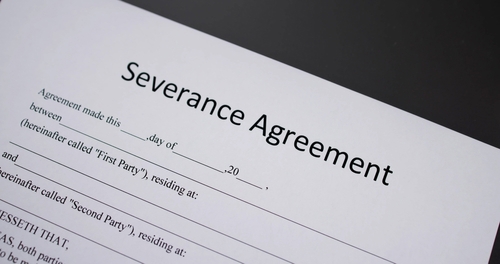
Losing a job is hard enough, and a severance offer can feel like a lifeline. But a severance agreement is a legal contract, and in most cases signing it means giving up your right to sue your employer. Before you sign anything, you should understand what you're getting, what you're giving up, and whether the offer is fair.
Does My Employer Have to Offer Severance in California?
Usually not. California law doesn't require employers to pay severance. An employer may owe it if you have an employment contract, a written company policy, or a consistent past practice of paying severance. Otherwise, a severance offer is typically a trade: the employer pays you extra money, and in return you agree to release your legal claims against the company.
That trade is why the offer deserves a close look. The employer wouldn't offer money for a release unless it saw some value in it.
What You Give Up When You Sign
Most severance agreements include a release of claims. By signing, you generally agree not to bring claims such as:
- Wrongful termination
- Discrimination and harassment
- Retaliation and whistleblower claims
- Violations of leave laws, such as the CFRA and FMLA
- Breach of contract
California releases often include language based on Civil Code section 1542, which extends the release to claims you don't know about yet. If your employer did something unlawful that you haven't discovered, you may be giving up that claim too.
Some rights can't be waived in a private agreement, including unemployment insurance benefits and workers' compensation benefits. But the list of what you can waive is long, so don't assume a claim survives just because it matters.
What Your Employer Already Owes You
Severance should be in addition to what you've already earned. Under California law, your final paycheck, including all earned wages, is due immediately when you're fired, and accrued, unused vacation or PTO must be paid out. Your employer generally can't make you sign a release to get wages you've already earned. If the agreement bundles those amounts into the "severance," that's a red flag.
Terms to Review Carefully
Read the whole agreement, not just the dollar amount. These are the provisions that most often cause problems:
- Scope of the release: Does it cover only your employment claims, or does it reach much further? Is the release mutual, or only from you?
- Amount and payment timing: Is it a lump sum or installments? What happens to later payments if the employer says you breached the agreement?
- Confidentiality and non-disparagement: California limits how far these clauses can go. Under the Silenced No More Act, an employer can't use a separation agreement to stop you from discussing unlawful conduct in the workplace, such as harassment or discrimination, and the agreement is supposed to say so.
- Noncompete clauses: California generally voids noncompete agreements, so be skeptical of any clause that tries to limit where you can work next.
- No-rehire and cooperation clauses: A no-rehire clause can bar you from future work with the company, and a cooperation clause can obligate you to help the employer in later disputes.
- Health coverage: Will the employer pay for or subsidize your coverage after your job ends, and for how long?
- References: Will the employer agree to a neutral reference or an agreed statement about why you left?
- Bonuses, commissions, and equity: Does the agreement address unpaid bonuses, commissions, or stock options? Make sure you aren't waiving money you've already earned.
- Taxes: Severance is generally taxable income, so the amount you receive will be less than the headline number.
How Long Do I Have to Decide?
Don't let anyone rush you. The time you have depends on your situation:
- California law says a separation agreement must tell you that you have the right to consult an attorney, and it must give you a reasonable time to do so, which is at least five business days. You can sign sooner if you choose to, but you don't have to.
- If you're 40 or older, federal law generally gives you 21 days to consider the offer, or 45 days if the layoff affects a group of employees, and then 7 days after signing to change your mind.
Be wary of "exploding offers" that demand an answer within a day or two. A short deadline is a reason to slow down and get advice.
Can I Negotiate a Severance Offer?
Often, yes. The first offer is frequently not the final one. Depending on your circumstances, you may be able to negotiate for:
- A larger payment, or additional weeks of pay
- Paid health coverage for a longer period
- A neutral reference and an agreed explanation for your departure
- A narrower release or a mutual release
- Removal of overly broad confidentiality, non-disparagement, or cooperation terms
- Payment of earned bonuses, commissions, or unvested equity
The strength of your position depends on the facts. If you may have a claim against your employer, that gives you more leverage, and an attorney can help you understand how much.
Signs You Should Talk to an Attorney Before Signing
Every offer deserves a careful read, but get legal advice first if any of these apply:
- You believe you were fired because of your age, race, sex, pregnancy, disability, religion, or another protected characteristic
- You complained about harassment, discrimination, unpaid wages, or unsafe conditions before you were let go
- You recently took, or asked for, medical or family leave
- You think you're owed unpaid overtime, commissions, or other wages
- The offer is small compared with your length of service or pay, or comes with a very short deadline
- The agreement is long, confusing, or asks you to give up more than you expected
What to Do If You're Offered Severance
- Don't sign right away. Ask for the agreement in writing and take the time you're entitled to.
- Read the entire agreement, including the release, the confidentiality terms, and any restrictions on your future work.
- Confirm your final pay and PTO payout are handled separately from the severance.
- Write down what happened leading up to your termination, including any complaints you made, any leave you took, and any comments that concerned you.
- Save your records, such as your offer letter, performance reviews, pay records, and relevant emails or messages.
- Ask questions and counter if appropriate. A request to negotiate is normal and rarely costs you the offer.
- Have an attorney review it before you sign. Once you sign, it's very difficult to undo. Our page on severance agreement disputes explains more about how these agreements work.
When to Talk to an Employment Attorney
You don't have to figure this out on your own. An employment attorney can read the agreement, explain what each provision means for you, tell you whether the offer is fair, and negotiate better terms if there's room to do so.
At Laurel, we built our firm around a better client experience: clear communication, fast action, and honest advice.
Offered Severance? Talk to Laurel Employment Law Before You Sign
Laurel Employment Law represents workers, and only workers, throughout California. If you've been offered a severance agreement, we want to help you understand it before you sign.
Schedule your free consultationor call us at (310) 929-6371. We'll review the offer and explain your options.